
It is an understandable human reaction to feel a sense of unease in the face of radical change. A powerful new technology, artificial intelligence (AI), is rapidly developing and expanding into every corner of our lives. A growing number of people fear it, viewing it as a looming threat to their livelihoods and their very way of life. They envision a future of widespread job loss, where machines replace human workers in nearly every field.
But this perspective, while valid in its concerns about disruption, fails to account for a critical lesson from history: every major technological revolution has brought about far more new opportunities than it has eliminated. The fear we are experiencing today is not unprecedented. It echoes the same anxieties that were felt during the Industrial Revolution, the rise of electricity, and the dawn of the internet. By examining the past, we can gain a clearer, more optimistic view of the future that is now unfolding before us.
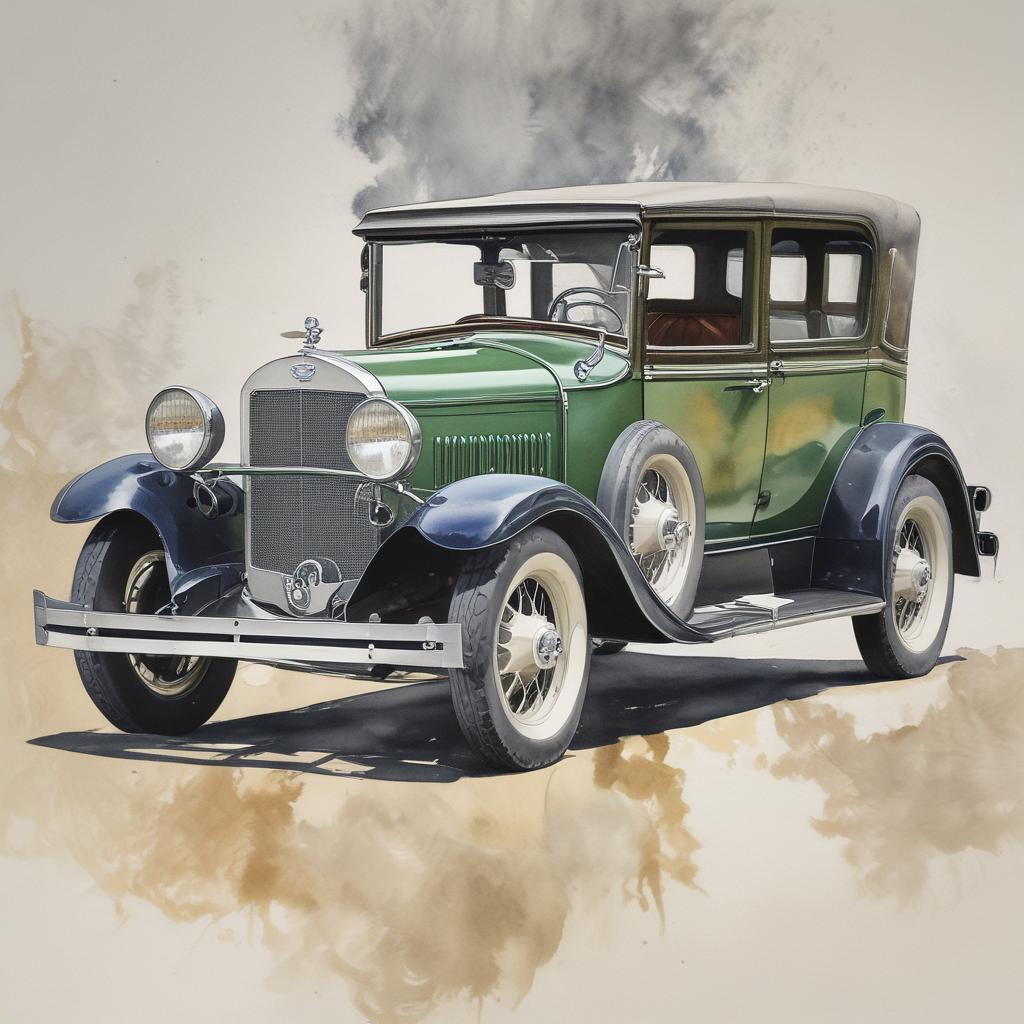
To understand the potential of AI, we need only look back at the radical transformation brought about by the automobile. Before the car, society was built around the horse. A vast economy existed to support this system: blacksmiths, stable hands, carriage makers, buggy whip manufacturers, and thousands of other jobs were entirely dependent on horse-drawn transportation. When the automobile emerged, it was seen by many as a disruptive and even dangerous curiosity. For those whose livelihoods depended on horses, the car was a very real and present threat. And they were correct. Over time, those jobs, and indeed entire industries, disappeared.
Yet, this was not the end of work or human progress. It was a new beginning.
Businesses that were able and willing to adapt found a path to prosperity. The artisans who built carriages adapted their skills to design and construct car bodies, becoming the foundation of a new industry. The wheelwrights who made wooden wheels for buggies became tire manufacturers, reinventing their trade. But the true story of the automobile revolution is found in the creation of a vast, new economic ecosystem that was previously unimaginable.
Think of the millions of jobs that were born from the rise of the automobile: assembly line workers in massive factories, auto mechanics to maintain the complex machines, and the entire oil refining and gas station industry. The demand for new infrastructure led to the creation of thousands of new jobs in highway construction, literally paving the way for a national road system. This, in turn, gave rise to the long-haul trucking industry, which revolutionized how goods were transported across the country. The automobile did not destroy jobs; it transformed them and created countless more, shifting the nature of labor from animal-based work to industrial, mechanical, and logistical work.
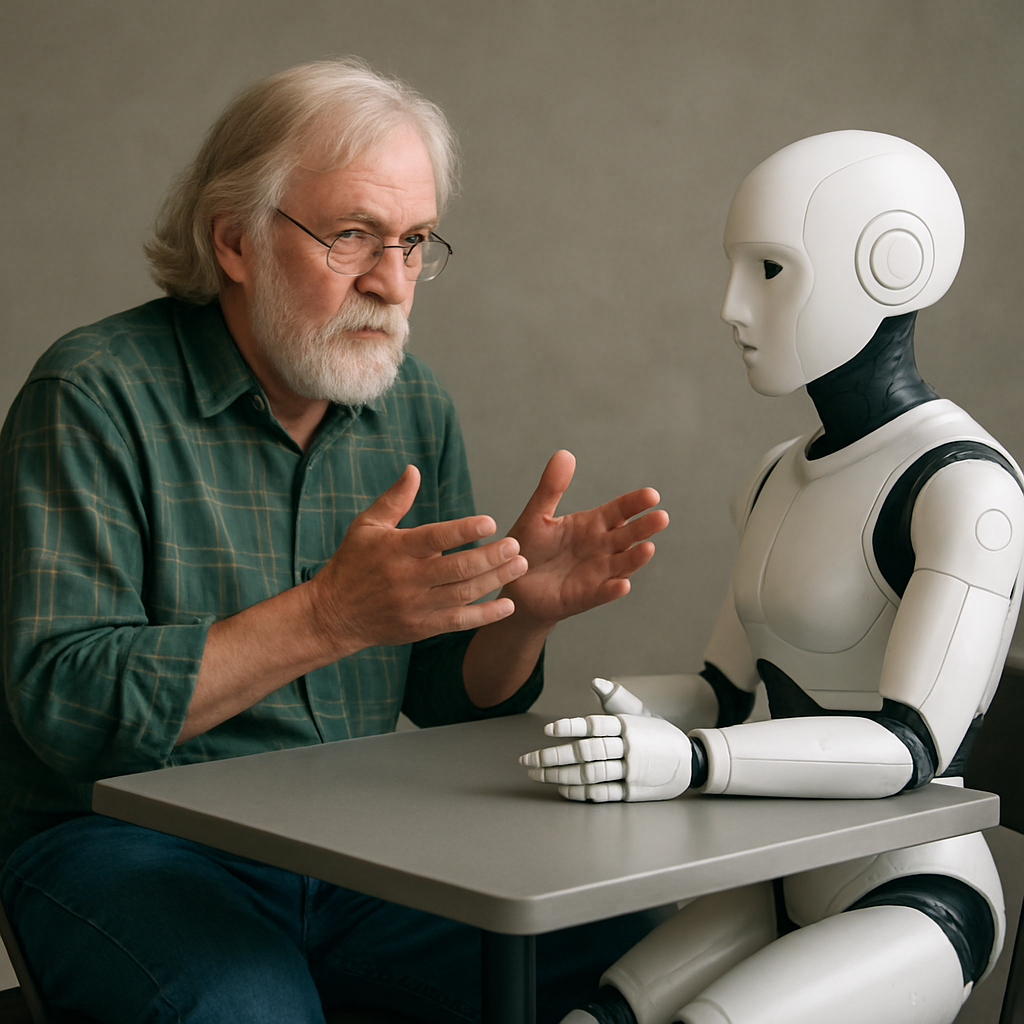
The same pattern is already beginning to emerge with artificial intelligence. The fear that AI will automate jobs is not unfounded. It is a certainty. Routine and repetitive tasks, from data entry and clerical work to some forms of manufacturing, are already being automated. This is a form of disruption that will inevitably cause short-term pain for some.
However, to focus solely on the jobs that will be lost is to miss the far more exciting story of the jobs that will be created and the industries that will be born. AI is not simply a replacement; it is a powerful new tool, a catalyst for innovation that will unlock human potential in unprecedented ways.
Consider the new roles that will be necessary to build, maintain, and guide this new technology. We will need AI trainers to teach and refine the models, prompt engineers who can craft complex queries to achieve precise results, and AI ethicists who will ensure the technology is used responsibly and fairly. Entire new industries will spring up around AI-powered products and services, creating a demand for AI maintenance technicians, data scientists, and developers of specialized AI applications.
Beyond the technical roles, AI will also free human beings to focus on work that is uniquely human. By automating monotonous tasks, AI can elevate roles, allowing people to focus on creativity, strategy, and empathy. In medicine, AI will not replace doctors but will assist them with diagnostics and research, freeing physicians to focus on the human-centered care that patients need. In education, AI can provide personalized lesson plans, allowing teachers to spend more time mentoring and guiding students. In the arts, AI will become a powerful tool for creation, helping artists bring their visions to life in new and exciting ways.
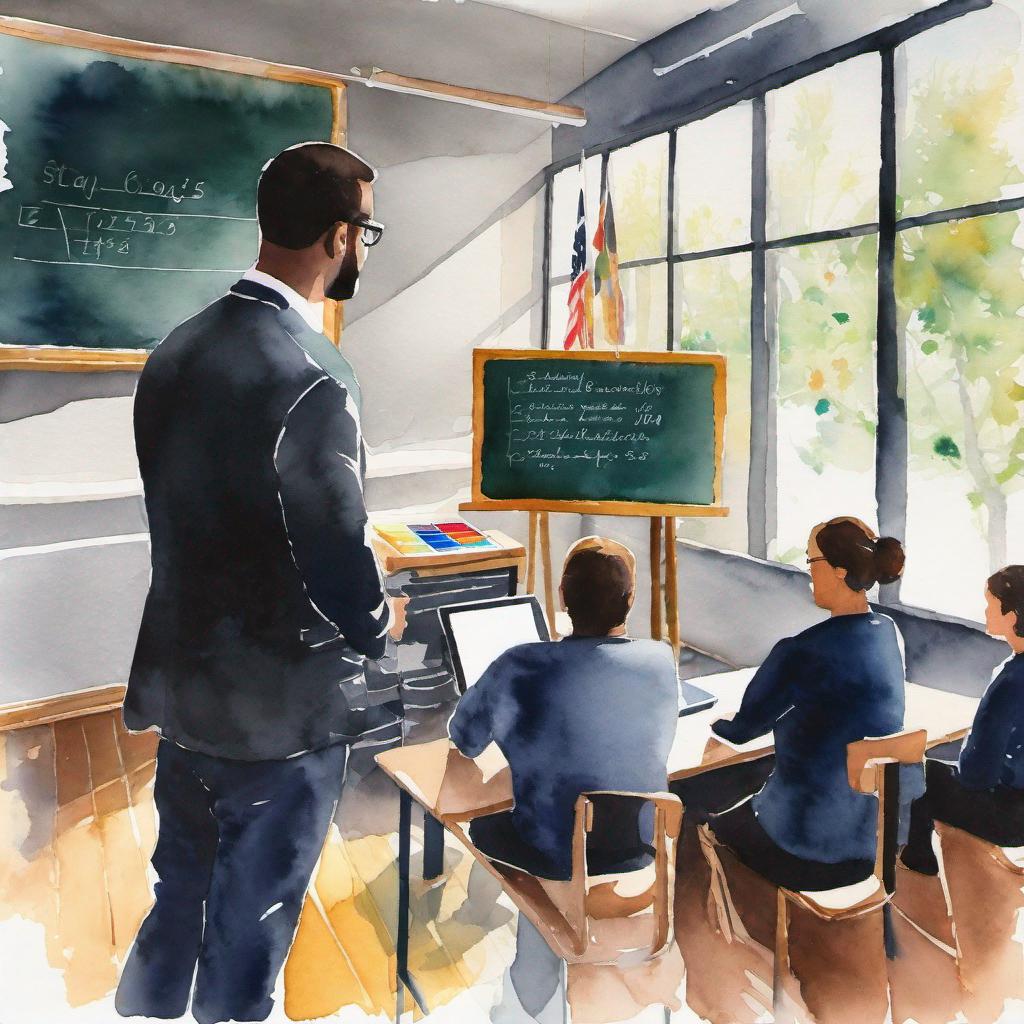
A central theme of every technological revolution is the need for human adaptation. Those who prosper are those who are willing to learn, adapt, and expand their skills. This is where artificial intelligence itself can be our greatest ally.
The teaching capacity of AI is truly revolutionary. It is a personalized tutor and an encyclopedia of knowledge that is available at a moment's notice. AI-powered educational platforms can identify a person's knowledge gaps and provide a tailored curriculum to help them acquire new skills. Whether it is learning to code, mastering a new language, or understanding the complexities of a new industry, AI can make education more accessible and efficient than ever before. This is the ultimate tool for preparing for and adapting to change, much of which is inevitable anyway.
The most successful businesses of the future will not be those that simply fear AI, but those that embrace it as a way to enhance their productivity and innovate. They will understand that a person using AI is not a person replaced by AI; they are a person made infinitely more capable.

The future of work is not one of a machine-dominated landscape where humans are obsolete. It is one where humanity is freed from the drudgery of repetitive tasks and empowered to focus on the creative, strategic, and relational work that truly defines us. The anxiety about job loss is real, but it is a temporary shadow cast by a much larger and brighter light.
The challenges of this revolution are significant and will require thoughtful planning and investment in education and reskilling. But the historical precedent is clear. When we embrace technological change, adapt to it, and apply it with intention, it can be the dawning of a new and profoundly productive era for humanity.
Subscribe to get the latest posts sent to your email.