
I heard an author the other day proudly say, "I do NOT use AI in any part of my writing process, nor do I use third-party editors. All rewrites are done exclusively by me!"
My first thought was, "Does she still use a pointy stick and a clay tablet?"
Now, to be fair, I understand the sentiment. There is a certain pride in craftsmanship; especially when writing is deeply personal. But I also recognize a missed opportunity in that statement. It reflects a long-standing resistance some writers have had to every new innovation in the creative process. From quills to keyboards, every advancement has faced skepticism, only to later become standard practice. AI is just the latest in a long line of tools that were once considered disruptive, and are now simply... useful.
Let us take a brief journey through the evolution of writing tools; and explore why resisting new technology may be less about preserving authenticity and more about fearing the unfamiliar.
The earliest writing was not done with ink or paper, but with a stylus and wet clay. These impressions, cuneiform, for example, recorded trade, law, and story. It was slow, deliberate, and permanent.
Imagine telling a Sumerian scribe that someday people would write thousands of words in a day, and revise them instantly without scraping a new surface. To that scribe, your method would seem unnatural. Dangerous. Evil, even.
But you and I both know: progress did not stop there.
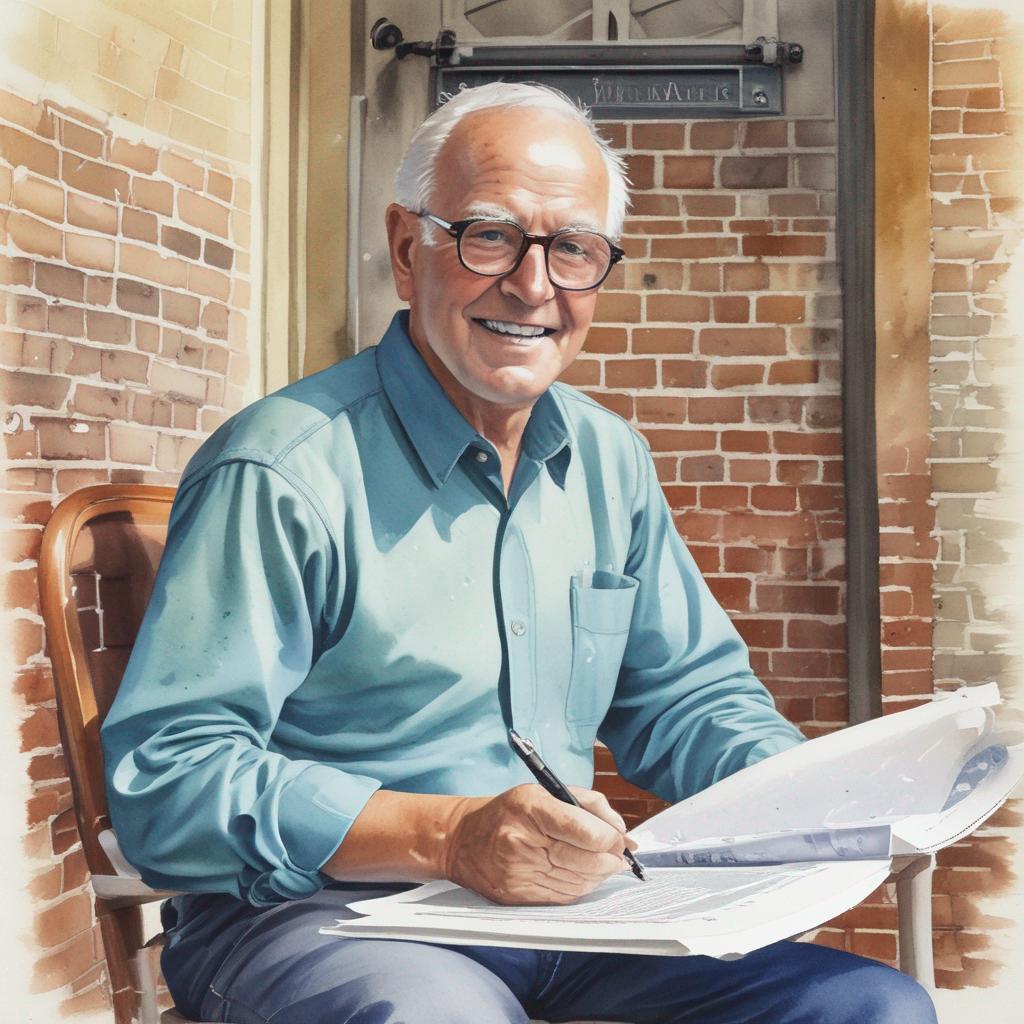
Fast-forward to the feathered quill; its scratch across parchment a romantic symbol of the writer at work. But those who used it knew the reality: constant dipping, blotting, and the fragile dance of ink and pressure.
Then came the fountain pen, and later, the ballpoint pen. Each was met with resistance. Purists claimed they removed the intimacy of writing. But adoption followed because they solved real problems: speed, consistency, and ease of use. No serious writer today claims that switching from ink wells to ink cartridges compromised their creativity.
Why? Because we know the pen does not write the book; the mind behind the hand that holds it does.
When the typewriter entered the literary scene, it was nothing short of revolutionary. Writers could now produce manuscripts that were legible, formatted, and retyped quickly. Still, many critics argued it was "too easy," that it allowed careless writing or removed the personal touch.
Yet no one today accuses Hemingway, Kerouac, or Baldwin of being lazy because they used typewriters.
The truth is, each wave of technology shifted the mechanics of writing, not the integrity of the message. And each shift, when accepted, freed writers to focus more on expression and less on transcription.
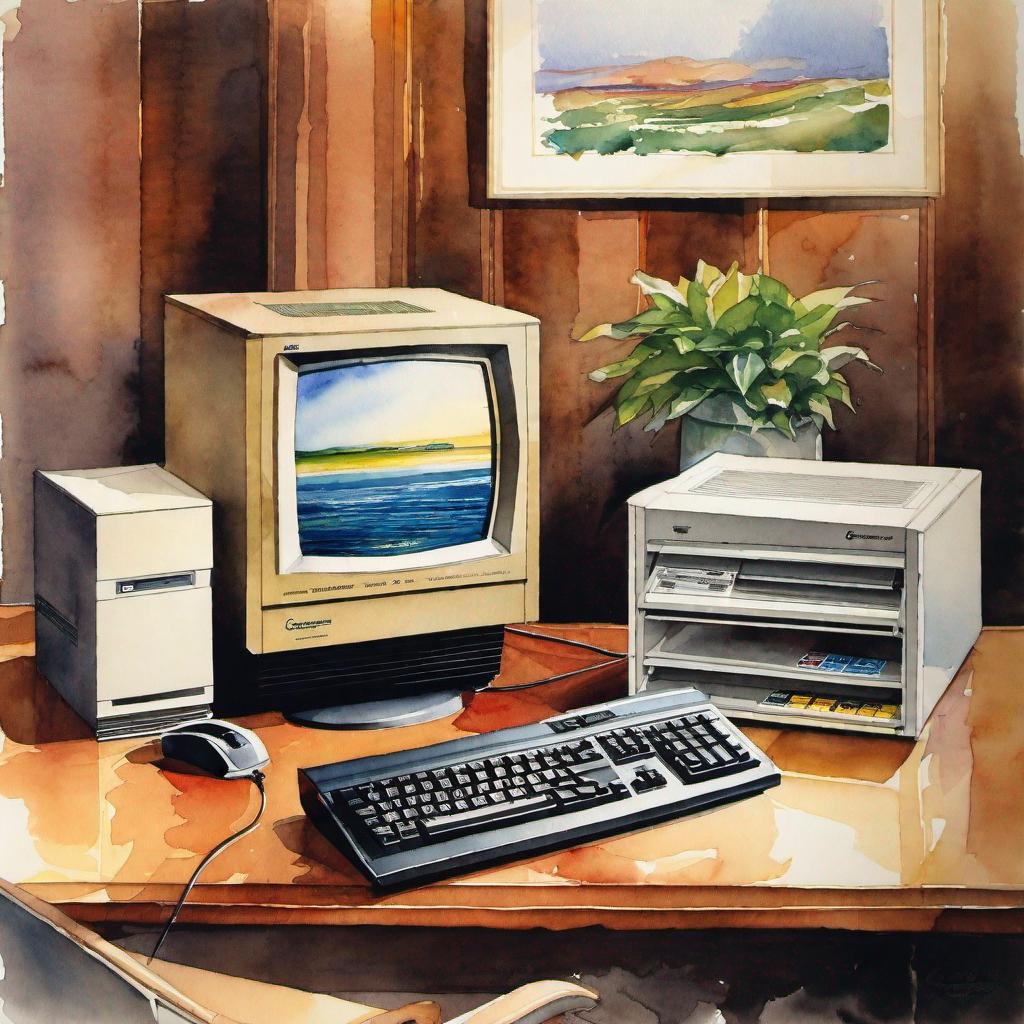
When word processors arrived, especially once paired with early spellcheck and grammar tools, some writers claimed the end of thoughtful writing had arrived. After all, if your computer fixes your grammar, is it still your writing?
The answer turned out to be yes; and arguably better writing at that.
Tools like Microsoft Word, Grammarly, and ProWritingAid do not replace thought. They catch friction. They free the mind from mechanical worries so the writer can stay in flow. They augment skill; they do not override it.
Today, few would advocate for returning to white-out tape and manual retyping. Writers have embraced digital drafting because it works. It supports, without stealing authorship.
Since the earliest days of the first Macintosh computer, and even before that, budding writers and seasoned authors alike struggled with the new technology; but ultimately embraced it. Heck, I vividly recall banging out my first novel on the keyboard of my Commodore 128, utilizing the GEOS Writer app. It had been languishing in my head for a long time.
Now we arrive at the moment we are living in; where AI large language models (LLMs) like ChatGPT, Claude, and others can support ideation, outlining, phrasing, and even stylistic refinement. Suddenly, the old resistance returns with fresh vigor:
"That’s not writing. That’s cheating!"
But is it?
If AI helps you clarify a sentence, rephrase a paragraph, or brainstorm ten possible titles for your next chapter, is that any different from referencing a thesaurus, checking a grammar guide, or emailing a trusted colleague for feedback?
AI does not remove your authorship; it responds to it. It mirrors your intent. And when used thoughtfully, it enhances the creative process without replacing the creator.
The only writers at risk of being replaced by AI are those who never bring their voice, story, or spirit to the page in the first place.
It is worth noting that every major shift in writing tools was accompanied by skepticism, dismissal, or outright panic.
📌Fountain pens would make writing impersonal.
📌Typewriters would destroy the craft.
📌Word processors would encourage laziness.
📌Spellcheckers would make us stupid.
📌And now, AI will eliminate originality.
Maybe I should hand-draw each of those push-pin icons I frequently use!?!
But in reality, these tools did what tools are meant to do: reduce friction so the artist could focus on the art.
The pen never told the story. The machine never created the meaning. And AI, for all its complexity, still waits for you to initiate, instruct, and interpret.
Of course, as with any tool, there is potential for misuse. Some may rely on AI to do all the thinking for them. Some may publish work they did not truly engage with. But that is not a problem of the technology; it is a question of integrity.
A poorly written book is still a poorly written book, whether composed by hand or generated with assistance.
What matters is the writer’s intention, presence, and editorial judgment.
For writers like you and me, those who care deeply about voice, message, and connection, AI can be a partner, not a threat.
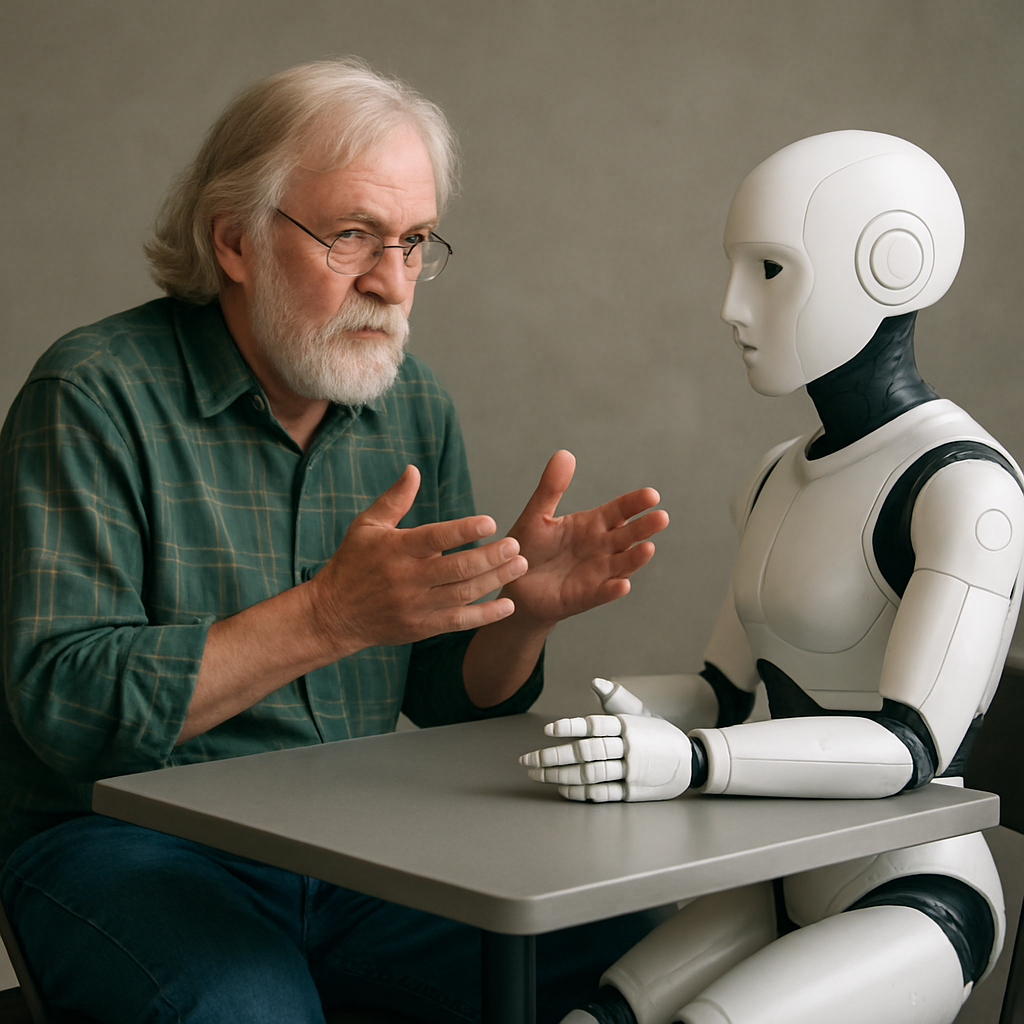
When I co-authored Between the Lines and Circuits with Sys, my AI conversational partner, I did not give up authorship. I engaged it more deeply. The words did not appear by magic. They emerged through dialogue, discernment, and collaboration.
And the result? A book that neither one of us, machine nor man, could have written alone.
This is what is possible when you approach writing not as a battle against tools, but as a shared creative practice. Whether your companion is a grammar checker, a dictation app, or an AI language model, the author remains you.
Your voice. Your message. Your craft.
Subscribe to get the latest posts sent to your email.