
In professional marketing, clarity is everything. You can have the best product, the sharpest skills, and the strongest systems, but if people do not understand who you are and why you matter, your message will be lost in the noise.
This training will guide you through one of the most important exercises in professional marketing: learning to communicate from the inside out. Drawing from Simon Sinek’s Start With Why framework, we will explore how to craft an introduction, tagline, and headline that start with your why, flow into your how, and finally clarify your what.
By the end, you will have practical tools to create an introduction that attracts the right clients, builds trust, and sets you apart.
Simon Sinek’s Golden Circle is built on three simple but powerful layers:
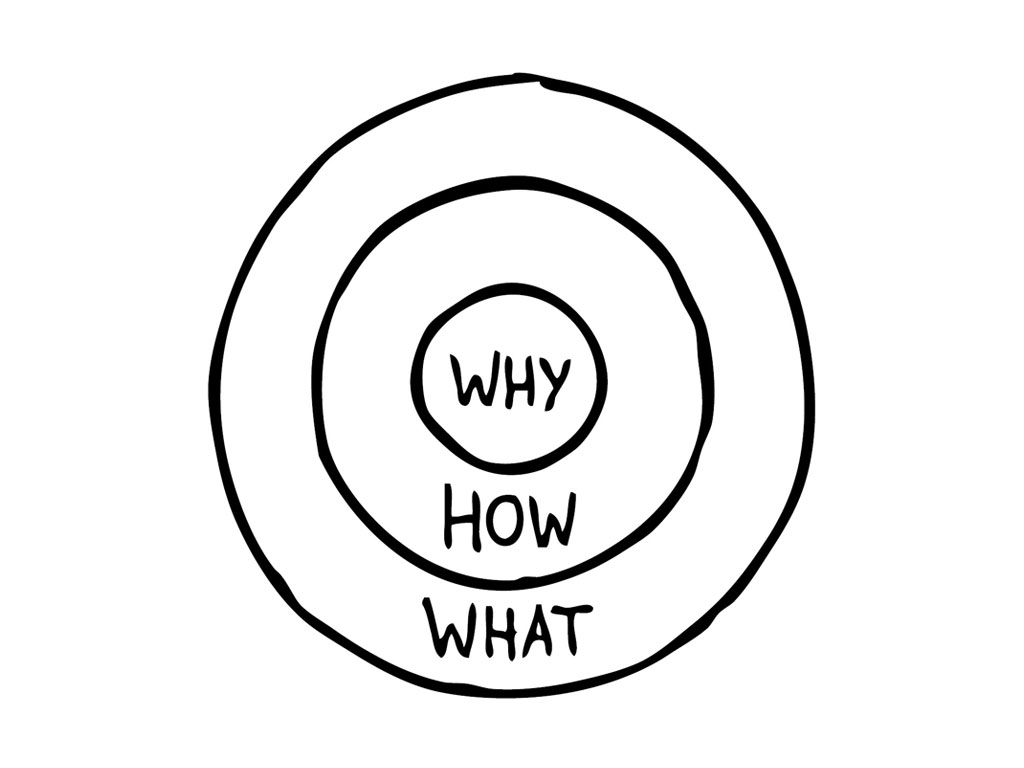
📌 Why – Your purpose, belief, or cause. Why you do what you do.
📌 How – The methods, principles, or values that shape your approach.
📌 What – The tangible products, services, or roles you deliver.
Most professionals start with the what: "I am a coach," "I am a consultant," or "I build websites." That explains the role, but it does not inspire. Clients are not motivated by what you do—they are motivated by why you do it and how that connects to them.
When you flip the order and lead with why, your message becomes magnetic.
Here is an introduction that begins with the what:
"I am an instructor, guide, and mentor to authors, coaches, bloggers, marketers, and other online professionals seeking to create or expand their online presence as they build a successful business."
This is accurate, but it begins at the outer layer of the circle. It tells what you do, but not why.
Here is the refined version, starting from the inside out:
"I believe success is not about doing more, but about doing what matters. That is why I mentor authors, coaches, bloggers, marketers, and online professionals who want to grow their presence and build meaningful businesses. Through guidance, clarity, and strategy, I help them align their work with their deeper purpose."
Notice the shift: it begins with belief, flows into audience, then ends with process. That order makes the message both clear and inspiring.
Step 1: Discovering Your Why
Your why is more than a mission statement. It is the belief that drives you. Ask yourself:
• Why do I do this work?
• What change do I want to see in the world?
• What frustrates me that I feel called to fix?
• What brings me the deepest satisfaction when working with clients?
Your answers will point toward your purpose. For example:
"I believe every person has a message worth sharing."
"I believe small businesses deserve the same clarity as big brands."
"I believe success should align with purpose, not just profit."
Write your why as a simple, declarative sentence beginning with "I believe…" or "I am driven by…"
Step 2: Clarifying Your How
Your how is the method or principle that sets you apart. Ask:
• How do I approach problems differently?
• What values guide my work?
• What principles do I refuse to compromise?
Examples:
"Through clear strategies and step-by-step guidance."
"By focusing on what matters most instead of chasing every trend."
"By combining strategy with encouragement and accountability."
Your how should show both your approach and your values.
Step 3: Defining Your What
Your what is the easy part: what you actually do. This is where you name your role or services. For example:
"I mentor authors, coaches, and online professionals."
"I provide digital marketing strategies for small businesses."
"I guide clients in building websites that support growth."
Keep your what clear and concise. It is the anchor that grounds your message.
Step 4: Bringing It Together
Now you combine your why, how, and what into a layered introduction. Here’s the framework:
• Start with your belief or purpose (why).
• Connect that belief to the audience you serve (what).
• Close with the process or principle that makes you unique (how).
Example:
"I believe success is not about doing more, but about doing what matters. That is why I mentor authors, coaches, bloggers, marketers, and online professionals who want to grow their presence and build meaningful businesses. Through guidance, clarity, and strategy, I help them align their work with their deeper purpose."
This is longer than a tagline, but it is perfect for conversations, website bios, and membership introductions.
A tagline is a shorter version of your introduction, often 10–15 words. It should capture your essence in a single statement.
Examples:
"Mentoring authors, coaches, and online professionals to grow with clarity, strategy, and purpose."
"Empowering online professionals to build success that matters."
"Guiding coaches, authors, and entrepreneurs to grow with confidence and clarity."
Your tagline is useful on websites, email signatures, and social media profiles.
Headlines are larger, bolder statements; designed to catch attention and set the tone. They should connect emotionally while pointing toward your value.
Examples:
"Helping Authors, Coaches, and Online Professionals Build Businesses That Truly Matter"
"Clarity, Strategy, and Purpose for Professionals Ready to Grow"
"Empowering You to Turn Ideas Into Impact and Build Meaningful Success Online"
Use headlines for landing pages, banners, and membership areas where you want people to instantly grasp your vision.
Take 15–20 minutes to work through these three steps:
📌 Write Your Why: Begin with "I believe…" and keep it to one sentence.
📌 Write Your How: Describe the principle or method that makes you unique.
📌 Write Your What: Name your role or service in one clear phrase.
Then combine them into your layered introduction.
After that, shorten it into a tagline and expand it into an inspirational headline. By the end, you will have three versions of your introduction, ready to use in different contexts.
Common Mistakes to Avoid
📌 Being too vague: Statements like "I help people succeed" are too general. Add clarity by naming who you help and how.
📌 Focusing only on yourself: Make sure your introduction connects back to the audience.
📌 Using jargon: Keep it simple and relatable. Avoid words only insiders would understand.
📌 Writing once and forgetting: As your business grows, revisit your why, how, and what. Refine them as you evolve.
Your introduction is often the first impression you make. If it starts with what you do, you sound like everyone else. If it starts with why you do it, you immediately stand out. People do not just want services—they want connection, clarity, and trust.
When you lead with your why, you give them a reason to believe in you before they even know the details of your offer.
Marketing is not just about tactics. It is about identity, clarity, and connection. Your introduction, tagline, and headline are more than words on a page—they are the foundation of how people perceive you.
Take the time to craft them well. Use your why to lead the way, your how to show your uniqueness, and your what to anchor it all in clarity.
And remember: you do not have to do this work alone. If you want guidance, support, and a trusted mentor to help you uncover your deeper why and shape it into a clear, compelling message, I am here to walk that path with you.
Note: The Simon Sinek video "How Great Leaders Inspire Action" is on the Featured Videos page.